


Maintaining Independence: How Assistive Devices Help Pets with Weakness or Paralysis
Noticing a pet struggle with stairs, hesitate on slick floors, or need extra help rising can bring a mix of worry and resolve. Mobility changes often arrive quietly, reshaping daily routines and prompting questions about how to preserve comfort and independence. Assistive devices such as harnesses, carts, and traction aids can provide meaningful support, helping pets stay engaged in the activities they enjoy. With the right tools, movement can feel steadier and less intimidating.
At The Gentle Vet in West Caldwell, our team approaches mobility concerns with a calm, thoughtful lens that prioritizes comfort and reduces stress at every step. Through careful assessment and expertise in orthopedic and soft tissue surgery, we help families determine when assistive devices are appropriate and how to use them safely and effectively. Pet owners are welcome to request an appointment or reach out through our contact page to explore supportive options grounded in education, compassion, and a truly gentle approach.
What Assistive Devices Can Do for Pets Facing Mobility Challenges
Picture your dog pausing at the stairs or your cat’s back legs sliding on the kitchen floor. These small hesitations can be early signs that movement is getting harder. Many pets adapt well when given practical support that makes daily activities safer and less stressful.
Assistive devices restore confidence and comfort. Support harnesses add stability for walks and bathroom breaks. Mobility carts turn weakened or paralyzed limbs into renewed freedom. Traction aids help prevent slips on smooth surfaces. Used together, these tools help pets participate in life with dignity and joy.
The goal is to support what remains, not to replace what’s changed. With the right help, pets often rediscover energy and enthusiasm once movement feels easier and safer.
How Do You Know When Your Pet Needs Mobility Assistance?
Mobility changes can come from arthritis, nerve problems, injury, surgery recovery, or congenital (from birth) differences. Osteoarthritis is common in older pets and causes joint pain and stiffness. Some pets develop weakness or paralysis from spinal issues. Others simply need temporary help while healing.
Watch for reluctance to move after resting, difficulty rising, stiff or wobbly walking, hesitation before jumping, or favoring a leg. Some pets withdraw from activities they once loved because movement feels uncomfortable or unstable.
Using mobility aids is not “giving up.” It’s choosing tools that improve your pet’s comfort and quality of life.
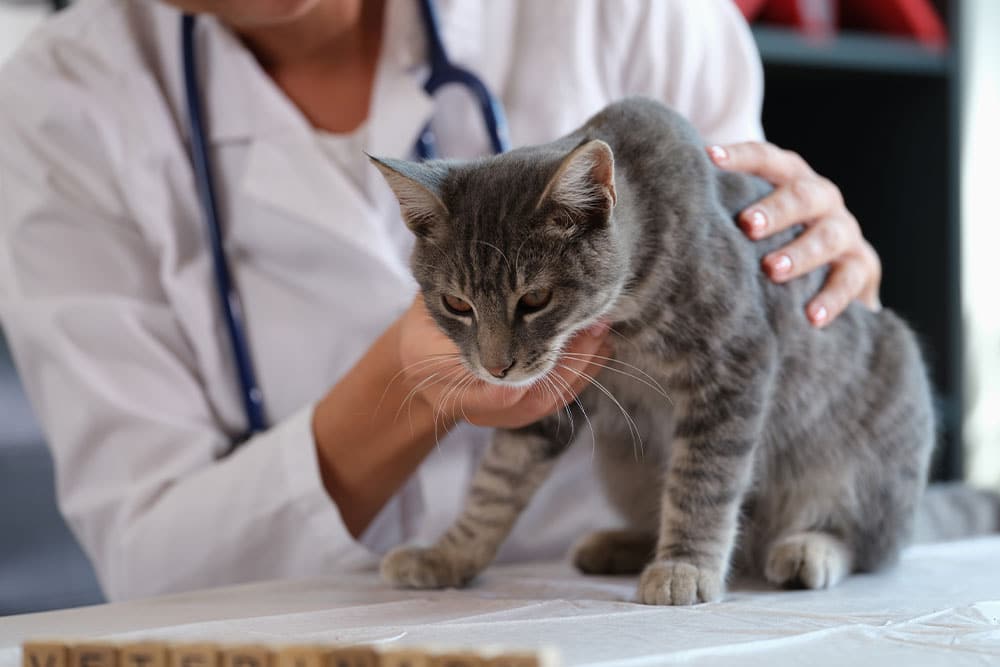
Our team evaluates your pet through examination and diagnostics to recommend devices that match their needs and home routine.
Support Harnesses: Simple, Everyday Stability
How do support harnesses help?
Support harnesses act like a steady hand, letting you assist with weight-bearing and balance. They make stairs, short walks, and bathroom breaks more manageable and less risky.
- Rear support harnesses help with hind limb weakness.
- Full-body harnesses distribute support across the torso for generalized weakness or post-surgery recovery.
- Front-and-rear combination support harnesses offer maximum assistance for multiple affected limbs.
Focus on fit and comfort. A harness should be snug but not tight, with padding where it touches skin. Adjust straps as your pet’s needs change. Start indoors with short sessions, food rewards, and praise so your pet builds positive associations.
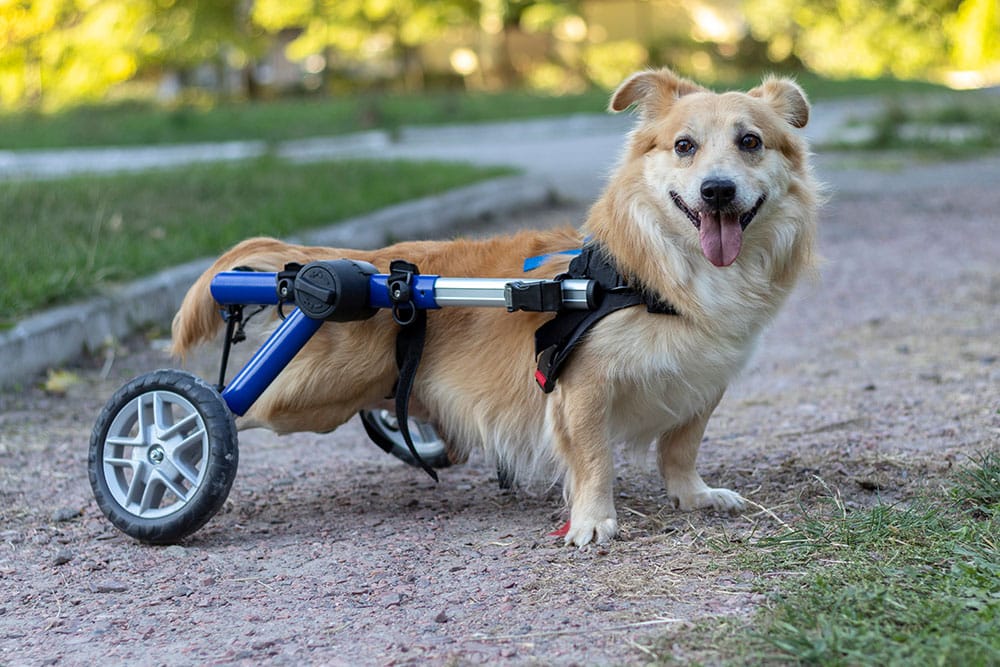
Mobility Carts: Renewed Freedom for Weakened or Paralyzed Pets
Can wheelchairs and carts restore independence?
Yes. Carts support weakened or paralyzed limbs while your pet moves with their stronger legs. Many pets quickly regain curiosity, playfulness, and confidence once they learn to use a cart.
Custom-fitted mobility carts consider body size, weight distribution, and where weakness occurs. Adjustable models suit growing pets or changing conditions. Begin on flat, familiar surfaces and gradually increase time and terrain as your pet’s comfort grows.
Check harness fit and skin contact points regularly. Pair cart use with simple home exercises and pain relief when appropriate to keep your pet comfortable and active.
Traction Solutions: Better Grip on Slippery Floors
How do grip aids help?
Hardwood, tile, and laminate can be intimidating when pets struggle with strength or joint pain. Traction aids improve grip, reduce slipping, and lower anxiety about moving.
- Nail grips add traction without covering paws.
- Booties provide grip and protection if your pet tolerates wearing them.
- Paw wax offers temporary stickiness and moisturizes pads.
- Non-slip socks combine grip with warmth.
Choose the option your pet accepts best. Proper sizing and short trial periods help. Traction aids can stand alone for mild trouble or complement harnesses and carts for added safety.
Home Modifications That Make Movement Easier
An arthritis-friendly home can make a big difference. Small changes reduce strain and prevent falls, working alongside devices for a complete plan.
- Place non-slip rugs along common routes to food, beds, and doors.
- Add ramps to avoid jumping on furniture or tackling stairs.
- Elevate bowls to reduce neck and shoulder strain.
- Choose orthopedic beds with supportive foam to cushion joints.
- Offer low-sided litter boxes or easy outdoor bathroom access.
For cats, consider home modifications like steps to favorite perches and litter boxes on each floor. Adjust your setup as needs change so it remains helpful over time.
Integrating Devices Into Overall Care
Assistive devices work best as part of a broader mobility management plan. Addressing comfort, strength, and routine helps pets use devices confidently.
- Pain control is essential. If movement hurts, your pet won’t use devices effectively.
- Veterinary physical rehabilitation strengthens muscles, improves flexibility, and teaches safe movement patterns.
- Modalities like acupuncture and laser therapy can reduce discomfort for some pets.
- Keep weight in a healthy range to ease pressure on joints and improve mobility.
Regular veterinary check-ins ensure devices and plans evolve as your pet’s condition changes. Our approach at The Gentle Vet includes ongoing assessment, coaching, and adjustment so support stays appropriate and effective.
Choosing the Right Assistive Device
Select devices based on your pet’s size, weight, type of limitation, temperament, and home environment. A calm pet may adapt quickly; an anxious pet might benefit from slower introductions and extra rewards.
Work with your veterinary team to discuss daily routines and goals. Measurements matter for comfort and safety. For harnesses, measure chest circumference and body length. For carts, also measure leg length and spacing. Manufacturers offer guides, and many provide sizing assistance.
Introduce devices gradually with treats and praise. Start simple, like standing and short walks, before tackling stairs or outdoor terrain. If something feels off, adjust straps, try a different style, or go slower. It’s normal to test a few options.
If you’re noticing new weakness, stiffness, or hesitations, schedule a sick visit for an early evaluation and personalized recommendations.
Can Pets with Mobility Challenges Still Enjoy Life?
Absolutely. With the right support, many pets return to greeting at the door, resting comfortably, and exploring favorite spots. Carts can unlock play and movement. Harnesses can steady daily routines. Traction can turn slick floors into safe paths.
Adjust activities to what your pet can do. Shorter, more frequent walks may replace long hikes. Gentle indoor games can stand in for rough outdoor play. The priority is comfort, safety, and joy.
Keep an eye on changes and celebrate progress. The first confident walk, successful cart navigation, or easy rise from a supportive bed are meaningful steps forward. Mobility aids are an expression of love and partnership- helping pets keep sharing daily life.
Our wellness and preventive care services include senior mobility assessments to identify needs early and plan ahead.
FAQs
What’s the first device to try if my pet is slipping at home?
Start with traction aids and non-slip rugs. If slips continue, consider a support harness for stability on stairs and during bathroom breaks.
How do I know if a cart is right for my dog?
Carts often help pets with hind limb paralysis or severe weakness. After an exam, we’ll advise on fit, training, and whether a mobility cart matches your pet’s strength and personality.
Will my pet accept wearing a harness or booties?
Most do with gradual introductions, short sessions, and rewards. Proper sizing and comfort are key. If your pet resists, we can help troubleshoot fit and training.
Can my cat benefit from assistive devices?
Yes. Many cats respond well to traction, gentle ramps or steps, and home changes adapted to their needs.
Do these tools replace medical treatment?
No. Devices work best alongside pain relief, rehabilitation, and weight management. A combined plan offers the greatest benefit.
Moving Forward Together with Confidence and Support
Mobility challenges don’t have to diminish the joy pets bring to daily life. Assistive devices open doors to comfort and independence. Support harnesses steady essential activities. Mobility carts restore freedom to explore and play. Traction aids reduce slips and anxiety. Thoughtful home changes keep spaces safe and accessible.
Success comes from teamwork. Proper selection, fitting, and gentle training set your pet up for progress. When combined with medical care and regular check-ins, these tools can transform daily life.
At The Gentle Vet, we’re here to guide you through device selection, demonstrate use, and adjust plans as your pet’s needs change. Contact us to discuss options or request an appointment. If you’re seeing new mobility changes, schedule a sick visit. We’re your partner in helping your pet move more comfortably and confidently- contact us today.





Leave A Comment