

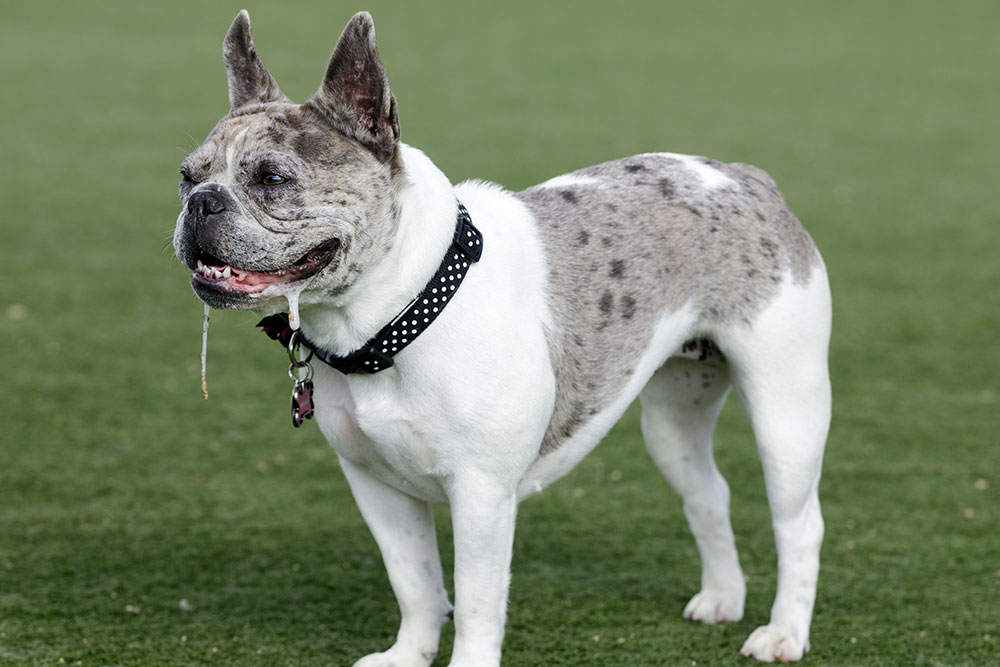
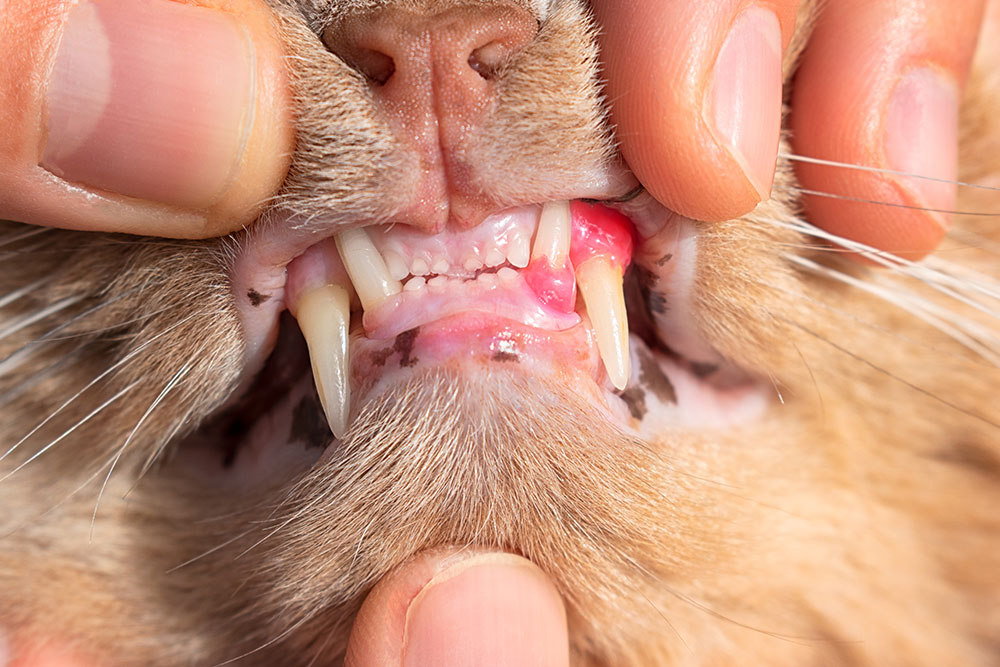
Bright red gums and thick, ropey drool on a dog or cat are two of the earliest signs that overheating has tipped into true heat stroke. Heavy panting on a hot day is not always alarming on its own, but pair it with stumbling, vomiting, glazed eyes, or a pet who suddenly cannot settle, and core body temperature is almost certainly climbing past a safe range. Cats mask overheating better than dogs do, and open-mouth breathing in a cat is itself a red flag worth acting on right away. The faster cool water reaches the belly, paws, and groin, the better the odds that the kidneys, liver, and clotting system come through the event intact.
At The Gentle Vet in West Caldwell, a gentle breed of care matters most when a pet arrives hot and frightened, and our calm exam rooms and in-house diagnostics let us check bloodwork rapidly for the kidney, liver, and heart stress that often follow a heat event. We work urgent cases into our regular schedule and move a heat-stressed dog or cat to the front of the line. If your pet is overheating call our team so we can be ready at the door.
The Short Version for an Overheated Pet
- Heat stroke is a true emergency where core body temperature climbs past a safe range, and the first few minutes of cooling can make the difference between a full recovery and organ failure.
- The earliest warning signs are heavy panting and bright red gums, escalating to drooling, wobbling, vomiting, collapse, and dark or bluish gums as the situation turns severe.
- Cool tap water on the paws, belly, and armpits plus a fan or air conditioning is the right first move at home, while an ice bath or a soaked towel left on top can actually make things worse.
- A pet that seems recovered after cooling can still develop kidney, liver, heart, or clotting problems over the next few days, so veterinary monitoring matters even when your pet looks stable.
Which Red Flags Tell You a Pet Is in Trouble?
Heavy panting and bright red gums are the earliest of the warning signs of heat stroke in pets, and drooling, wobbling, vomiting, or gums turning dark or bluish mean things have already become severe. Heat stroke moves along a spectrum, and where your pet falls on it tells you how fast to act.
That range runs from a pet who is simply too warm to one whose organs are shutting down. Cats are the quiet ones here. A cat rarely pants, so open-mouth breathing, drooling, or a cat sprawled flat and unwilling to move deserves urgent attention. Here is how the picture tends to escalate:
| Stage | What you might see |
| Early / mild | Heavy panting, seeking cool spots, restlessness, bright red gums, warm to the touch |
| Moderate | Thick drool, glassy or glazed eyes, wobbling or weakness, rapid heartbeat, vomiting or diarrhea |
| Severe | Collapse, dark or bluish gums, disorientation, seizures, unresponsiveness |
If your pet is showing anything in the moderate or severe rows, start cooling and get help on the way at the same time. Do not wait to see whether it passes.
How Should You Cool Your Pet at Home in the First Few Minutes?
Move your pet out of the heat right away, then start active cooling with cool tap water and airflow over the paws, belly, and armpits, not an ice bath and not a soaked towel draped on top. The goal is simple: bring the temperature down gently while you head toward veterinary care.
Here are the steps in order:
- Get to shade or AC: Move into shade or a cool, air-conditioned room and stop the exposure before anything else.
- Wet the right spots: Run cool or tepid tap water over the paws, belly, and armpits, where blood runs close to the surface.
- Add airflow: Point a fan at your pet or aim the car’s AC vents, so evaporation can pull heat away.
- Offer small sips: Let your pet drink small amounts of cool water if they want it, but never force water into the mouth.
- Skip the ice: No ice baths and no ice water. Icy cold makes surface blood vessels clamp shut and traps heat inside.
- Do not smother: Never lay a wet towel over the body and leave it, which traps heat like a blanket.
Do not try to cool your pet all the way down at home, and do not delay the drive to do it. Once your pet feels less blazing hot, stop actively cooling and head in. If severe signs are showing during our regular hours, call us right away so we know a heat case is coming and can meet you at the door. If we are closed, go straight to the nearest veterinary ER.
Inside the Clinic: What Emergency Care Looks Like
Veterinary heat stroke care works on three problems at the same time, because heat does not damage just one system. Once a pet reaches us, heat stroke treatment comes down to three layers running together: controlled cooling, intravenous fluids to replace lost volume, and managing the complications that follow. The risk of death is highest in the first 24 hours.
The first layer means bringing the temperature down in a measured way and stopping before it overshoots, because overcooling causes its own problems. Intravenous fluids restore the blood volume lost to panting and shock and help protect the kidneys. The third layer is watching for and treating the fallout: low blood sugar, abnormal heart rhythm, brain swelling, and clotting trouble. That third layer is why in-house tools matter, and our EKG, bloodwork, and ultrasound let us look for heart, kidney, and liver stress as it develops. We provide urgent and emergency care during our regular hours and move heat cases to the front of the line; after hours, the nearest veterinary ER is the right call.
Can a Pet Seem Fine After Heat Stroke and Still Be in Danger?
A pet really can seem fine after heat stroke and still be in danger, because delayed organ damage after a heat event can strike the kidneys, liver, heart, or gut over the following 24 to 72 hours. Even a pet who wags, asks for food, and acts normal has not necessarily cleared the crisis.
This is the part that catches families off guard. The heat that pushed the temperature up also injures the lining of blood vessels and organs, and that damage keeps unfolding after the thermometer looks normal. Some pets develop a body-wide inflammatory response, dehydration despite cooling, or gastrointestinal bleeding. One of the most dangerous late turns is abnormal blood clotting, which can spiral into internal blood loss and is a key reason we monitor pets closely even when they seem stable.
This is exactly why we recommend a check even when your pet bounced back at home. Better to run the labs and find nothing than to miss a slow slide.
Why Do Dogs and Cats Overheat So Easily?
Dogs and cats overheat easily because they cannot sweat the way we can. They shed heat mostly by panting, with only a little help from sweat glands in their paw pads, and that system falls apart fast when the air is hot, humid, or still, because there is nowhere for the heat to go.
Moving air across a wet tongue and airway handles a mild afternoon just fine, but some pets start the day with far less margin than others. Flat-faced dogs like Bulldogs and Pugs and cats like Persians run into trouble fastest, because brachycephalic thermoregulation is limited by shortened airways, and every extra pound of body weight makes that struggle worse. A few other factors stack the deck the same way:
- Coat and color: Thick double coats and dark fur trap and absorb more heat than a thin, light coat.
- Age: Puppies, kittens, and senior pets regulate temperature less efficiently than a healthy adult.
- Body condition: Extra weight adds insulation and makes panting harder work.
- Underlying disease: Heart trouble, laryngeal problems, and respiratory illness all cut into a pet’s ability to cool down.
Because the risk is so individual, the safe amount of summer activity for one pet is not the same as for the next. For flat-faced and heavier pets, keeping the number on the scale in a healthy range is one of the most protective things you can do, and weight management and breed-specific counseling can help you build a plan that fits your particular dog or cat.
What Daily Habits Protect Your Pet From Heat Stroke?
Prevention comes down to hydration, smart timing, and a few good habits: fresh water always within reach, walks in the cool morning or evening, shaded breaks before panting starts, and never leaving a pet in a parked car. Watch your pet, not just the thermometer, and end the fun a little sooner than feels necessary.
Water and cool-down gear. Good hot-weather hydration and cooling aids means fresh water within reach everywhere, a portable bottle on outings, a chilled mat or a damp towel to lie on, and shaded breaks taken before the early panting starts. If you want product suggestions that fit your dog or cat, our veterinarians can point you toward the right gear.
Timing outdoor activity. When and how you head out matters more than most families expect. Most of preventing heat stroke during exercise is timing, so save walks and play for the cool early morning or late evening, ease off the intensity, and keep paws off pavement hot enough to burn. Press the back of your hand to the sidewalk for seven seconds; if you cannot hold it there, it is too hot for paws. Cut play short the moment panting turns heavy or your pet lags behind.
Never a hot car. A parked car can hit 120 within 20 minutes on an 85-degree day; hot vehicles take pets’ lives every summer, even with the windows cracked. An inch or two of open glass barely dents the temperature, and heat stress can set in before a quick errand is done. The safest rule is dead simple: if your pet cannot come inside with you, leave them home.
| Cooling aid | Best for |
| Cooling mat or gel pad | A go-to resting spot indoors or in the shade |
| Damp towel to lie on | A cheap, effective cool surface (never draped over the body) |
| Portable water bottle | Walks, car rides, and outings away from home |
| Fan or AC access | Moving air so panting can actually shed heat |
| Shaded rest breaks | Preventing overheating before panting even starts |
Cool Retreats for Roaming Cats and Homebound Pets Alike
Roaming cats and indoor pets need slightly different setups, but the same idea: cool hideouts and easy hydration always within reach. Outdoor cat summer safety comes down to several shaded water stations refreshed often, a ventilated shelter or safe enclosure, and a cool retreat the cat can reach during peak heat hours.
Keep those water bowls cool and clean with regular top-ups, and set them where the sun cannot reach through the hottest part of the afternoon.
Indoors, the aim is a comfortable environment plus low-key entertainment so pets are not tempted to overdo it. Keep air conditioning or fans running, leave cool tile or a shaded spot open for lounging, and dial down the rowdy play during peak heat. The trick to riding out the hottest hours is indoor boredom busters that keep a cooped-up dog or cat engaged without the roughhousing that drives body temperature right back up. A few DIY enrichment toys, a frozen stuffed puzzle or a snuffle mat scattered with kibble, give a restless pet a low-energy outlet on days that are simply too hot for the yard.
Heat Stroke in Pets: Questions Families Ask Us Most
What temperature is dangerous for dogs and cats?
A normal body temperature for dogs and cats runs about 100 to 102.5 degrees Fahrenheit. Heat stroke generally begins once core temperature climbs above 104, and readings of 106 or higher put organs at serious risk. You do not need a thermometer to act, though.
If your pet is panting hard, drooling, wobbling, or has bright red gums on a hot day, start cooling and call for help rather than waiting to confirm a number.
Can I give my pet ice or an ice bath to cool them down?
Giving your pet ice or an ice bath is one of the most common mistakes families make in a heat emergency. Ice water and ice baths make the blood vessels near the skin clamp shut, which actually traps heat inside the body and can send a stressed pet into shock. Use cool or tepid tap water on the paws, belly, and armpits instead, add a fan or AC for airflow, and let your pet sip small amounts of cool water if they are willing.
My pet cooled down and seems fine now. Do I still need to see a vet?
A veterinary visit is still important even if your pet bounced back quickly. Heat injury can keep harming the kidneys, liver, heart, and clotting system for one to three days after the temperature looks normal, and by the time outward signs return, that damage may be advanced. A quick exam and bloodwork can catch trouble early, while it is still very treatable. When it comes to heat stroke, the wait-and-see approach is the one to avoid.
Your Partner for a Cool, Worry-Free Summer
Heat stroke is a genuine emergency, but it is also one of the most preventable ones you will face all year. Recognizing the early signs, cooling the right way, and adjusting activity, hydration, and indoor comfort as the temperature climbs keeps summer fun without the scary detour. Early action truly does save lives here, and a little foresight goes a long way.
If you would like a personalized summer safety plan or a wellness check to weigh your pet’s individual risk, we are glad to help. Book a visit to get started. You can also reach out to us with your questions. If your pet is overheating, call as you head our way so we can be ready the moment you arrive.