


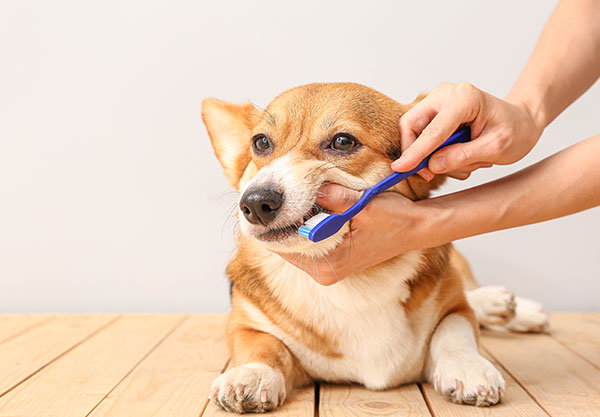
Beyond the Gumline: How X-Rays Keep Pets’ Mouths Healthy
Does your pet seem a little hesitant when picking up a favorite chew toy, or maybe you’ve noticed a slight change in their eating habits? When it comes to your pet’s oral health, the biggest problems are often hidden.
Dental disease can be painful and serious, but because the infection and damage often lurk beneath the gumline, it’s easy to miss until it’s severe. X-rays are the critical tool veterinarians use to expose these hidden infections and structural changes, allowing for early intervention. This essential diagnostic step helps keep your pet’s teeth strong, their gums healthy, and ensures their smile remains pain-free.
At The Gentle Vet, our team takes a compassionate and thorough approach to every dental procedure. We combine advanced diagnostics with gentle handling to uncover dental disease before it causes pain or long-term damage. From general wellness to full dental treatment, we believe every pet deserves care that looks beyond what’s visible on the surface.
Going Beyond the Surface in Pet Oral Health
Most dental disease occurs below the gumline, where even the most careful visual exam can’t reach. Without imaging, your pet’s mouth may appear healthy, but infection, bone loss, or tooth resorption can progress quietly. Full-mouth X-rays allow veterinarians to evaluate each tooth’s structure, both crown and root, and the surrounding bone, providing a complete picture of oral health.
Comprehensive imaging also supports the AAHA dental guidelines, which recommend dental radiographs during every professional cleaning and before any extraction. This ensures that nothing is missed and that each treatment plan is based on evidence, not guesswork.
Skipping imaging in favor of anesthesia-free dentals may sound appealing, but it risks leaving hidden disease untreated. At The Gentle Vet, our anesthetic protocols are safe, carefully monitored, and essential to allowing a full, pain-free evaluation of the mouth.
If you’ve noticed bad breath, pawing at the mouth, or any change in chewing habits, we encourage you to schedule a visit to discuss your pet’s oral health.
Uncovering Silent Pet Dental Problems with X-Rays
A pet’s mouth is far more complex than it appears. Dental X-rays reveal structures invisible during a regular oral exam, such as roots, periodontal ligaments, and surrounding bone density. These images show the entire anatomy of each tooth and can identify:
- Hidden infections or abscesses
- Fractured or retained roots
- Tooth resorption or cavities
- Impacted or unerupted teeth
- Bone loss associated with periodontal disease
Because canine tooth roots can be as long as the visible crown, and upper molar roots sit near the sinuses and eye sockets, these details are crucial for accurate, safe treatment.
Hidden Dental Problems Found Through X-Rays
Bone Loss You Can’t See: Periodontal Disease in Pets
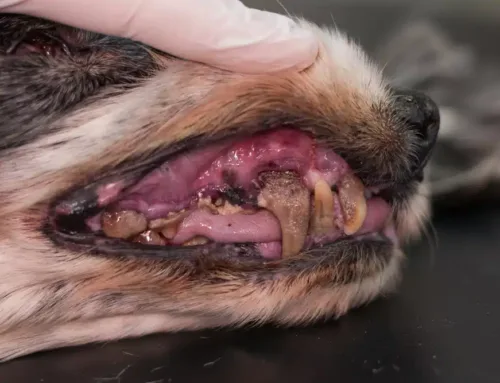
Periodontal disease is one of the most common health problems in pets, and one of the most preventable. Early bone loss and infection often develop below the gumline where owners can’t see. X-rays allow veterinarians to detect these changes before teeth loosen or fall out. As bacteria accumulate in periodontal pockets, they erode the bone that anchors teeth in place, creating deep infections that can spread to the bloodstream and affect major organs like the heart, liver, and kidneys. Pets with advanced periodontal disease may develop tooth abscesses when infection becomes trapped in the root, causing painful swelling, facial drainage, and systemic illness. Left untreated, advanced disease can even lead to mandibular fractures in small dogs with severe bone loss. In some cases, infection can track behind the eye, forming a retrobulbar abscess that causes eye bulging, facial swelling, and extreme pain requiring emergency surgical intervention.
Our diagnostic services include full-mouth radiographs with every dental cleaning, helping us intervene early and protect your pet’s oral and overall health.
Not Just a Chip: Fractures and Hidden Pet Tooth Damage
Even a small chip can expose the tooth pulp, leading to infection or pain. Without X-rays, it’s impossible to know if a fracture involves the root or surrounding bone. Imaging helps us determine whether the tooth can be saved or if extraction is the most humane option. Fractured teeth often appear deceptively minor on the surface, but beneath the gumline, the root canal may be exposed, allowing bacteria to invade and create deep infections that spread into the jawbone. Pets with fractured teeth may develop tooth abscesses that cause facial swelling, fever, and reluctance to eat, and in severe cases, untreated infections can lead to retrobulbar abscesses when bacteria migrate along upper tooth roots toward the eye socket. Digital X-rays reveal the full extent of damage, including hairline cracks, root fractures, and any bone involvement that isn’t visible during a visual exam alone.
The process of evaluating fractured teeth ensures your pet’s comfort, minimizes future complications, and restores pain-free function. If your pet has recently had trauma or seems hesitant to chew, contact us for an evaluation. Our gentle care approach makes dental visits easier for both pets and owners.
How X-Rays Guide Pet Bite Corrections
A misaligned bite can cause teeth to rub painfully against the gums or palate. X-rays are crucial in assessing malocclusions and determining whether intervention or extraction is needed to prevent long-term discomfort. Severe malocclusions can cause teeth to pierce soft tissue with every bite, creating chronic wounds that become infected and painful over time. Radiographs help us evaluate whether misaligned teeth have damaged the roots of adjacent teeth or caused abnormal bone remodeling that might complicate treatment. In young pets, early intervention guided by X-ray findings can redirect growth and prevent permanent structural problems that would otherwise require extensive surgical correction later in life.
Our team can create tailored treatment plans that protect function while preserving comfort for years to come.
Detecting Cat Tooth Resorption Before It Hurts
Cats are prone to tooth resorption, a condition where the tooth breaks down from the inside out. Because it starts beneath the gumline, these lesions can only be detected with radiographs. Without imaging, a tooth may appear normal until it becomes extremely painful. The breakdown process causes the tooth to erode from within, creating sensitive cavities at or below the gumline that cause intense pain when touched or exposed to food and temperature. As the disease progresses, the crown may fracture unexpectedly, leaving infected root fragments embedded in the bone that continue to cause discomfort and inflammation. Early radiographic detection allows us to extract affected teeth before they cause severe pain, and in some cases, we can identify teeth at risk before clinical signs develop, preventing unnecessary suffering.
Our veterinarians use gentle, comprehensive care during feline dental procedures to ensure every tooth is properly evaluated and treated. If your cat drools, resists head petting, or chews differently, it’s time for an oral exam.
Early Detection of Oral Cancer in Pets
Oral tumors can develop quickly and may not always be visible on the surface. Oral tumors that invade the jawbone or displace teeth require detailed imaging to determine their extent and plan surgical or oncology treatment. Early detection through routine radiographs greatly improves outcomes and comfort. Some oral masses appear as small lumps or areas of thickened tissue that could easily be mistaken for benign growths, but radiographs reveal whether the tumor has invaded bone, a critical factor in determining treatment options and prognosis. Malignant tumors like melanomas, squamous cell carcinomas, and fibrosarcomas can grow rapidly and metastasize to lymph nodes and distant organs, making early diagnosis and aggressive treatment essential for the best chance of recovery. X-rays also help us evaluate whether a tumor can be surgically removed with clean margins or if referral to a veterinary oncologist for radiation or chemotherapy is the most appropriate path forward.
If you’ve noticed swelling, bleeding, or a mass in your pet’s mouth, please contact our team for evaluation.
True Pet Dental Care Requires Imaging
A mouth that looks clean may still hide deep infection or pain. Superficial scaling and polishing only address what’s visible, leaving serious disease untouched. Anesthesia-free dentals may remove surface tartar, but they can’t reach below the gumline or provide the diagnostic insight needed to protect long-term oral health.
At The Gentle Vet, we perform professional dental cleanings under safe anesthesia with full-mouth radiographs, allowing us to treat the cause. not just the appearance of disease. Our dental care services prioritize your pet’s safety, comfort, and well-being every step of the way.
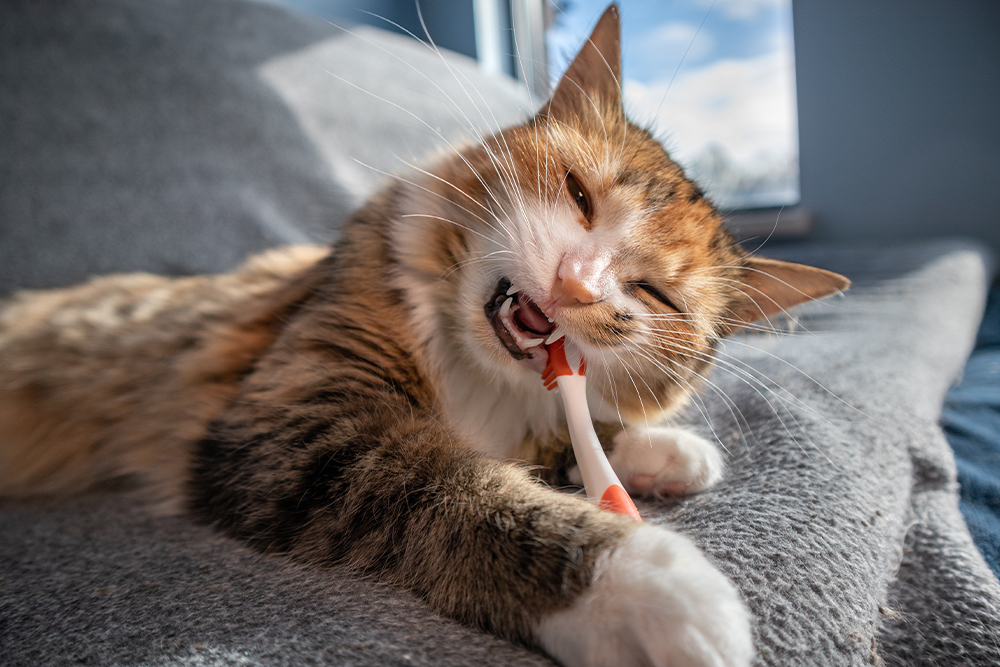
Imaging That Informs Every Step of Pet Dental Treatment
Radiographs help diagnose pet dental problems and guide every phase of treatment. X-rays help determine whether a tooth can be restored or must be extracted, verify that all roots were removed, and monitor healing after surgery. Following the AAHA dental guidelines, we perform imaging during each procedure to ensure complete, compassionate care.
We also use imaging as a preventive tool, identifying risk factors before they lead to pain. You can request an appointment to discuss a personalized dental plan for your pet.
Pet Dental X-Rays FAQ
Are dental X-rays really safe?
Yes. Modern digital technology minimizes radiation exposure, and your pet is protected by a sterile environment and anesthesia monitoring throughout the procedure.
Why do pets need anesthesia for dental X-rays?
It keeps pets comfortable and still, allowing for accurate imaging without fear or movement that could cause harm.
How often should my pet have dental X-rays?
Full-mouth imaging is recommended at least once a year, often during professional cleanings, or sooner if your pet shows signs of discomfort or disease.
If you have additional questions, our team is happy to guide you through every aspect of your pet’s dental care.
Prioritizing Your Pet’s Oral Health, Inside and Out
At The Gentle Vet, we believe that great veterinary care is both thorough and kind. Our team combines advanced dental diagnostics with a gentle, low-stress approach to keep your pet healthy and at ease.
If it’s time for a cleaning or you’ve noticed changes in eating habits, breath, or behavior, don’t wait. Schedule an appointment today and give your pet the lasting comfort and confident smile they deserve.


Leave A Comment