


Senior Screening for Dogs and Cats: Detecting Silent Disease Before Symptoms Begin
Aging in pets is rarely dramatic- it is usually quite subtle. Your cat may spend more time resting, your dog may take the stairs more slowly, or play might end sooner than it used to. Some of that is expected with age, but the challenge is that many medical problems look exactly the same at first. Kidney disease, thyroid disorders, diabetes, high blood pressure, and early heart disease can develop quietly for a long time before a pet seems truly “sick.”
That is why senior screening matters. A plan built around your pet’s breed, health history, and lifestyle helps identify changes early, when they are often easiest to treat and least disruptive to daily life. At The Gentle Vet in West Caldwell, NJ, we focus on lowering stress while maintaining high medical standards, so your pet can get thorough care in a calm setting. Our comprehensive wellness and preventive care supports senior pets with clear recommendations and compassionate guidance. If your pet is entering their senior years, request an appointment and we will build a plan together.
Why Aren’t Routine Exams Enough for Aging Pets?
Senior dogs and cats often need more than a once-a-year exam because their bodies can change quickly. As metabolism shifts and organs age, the risk of chronic disease increases, and many conditions progress silently. Routine preventive testing is designed to catch problems like kidney disease, diabetes, thyroid imbalances, and early heart disease before they cause visible discomfort.
For many senior pets, twice-yearly wellness visits are a better match for the pace of change. If you compare pet aging to human aging, waiting a full year between exams can be similar to an elderly person waiting three to five years between doctor visits. In that span, small changes can become advanced disease without warning.
These visits also give us the chance to look for patterns over time. A blood panel might appear normal on its own, but when we compare it to previous results, early clues may stand out, such as kidney values trending upward or subtle shifts in liver enzymes. Tracking these trends is one of the most reliable ways to detect disease early and protect long-term comfort.
What Does a Comprehensive Senior Screening Include?
Following evidence-based senior pet care recommendations, a complete screening plan may include blood work, thyroid testing, blood pressure checks, urinalysis, and imaging such as X-rays or ultrasound. We tailor testing to each pet rather than using a one-size-fits-all checklist. With in-house diagnostics, many screening answers can happen the same day, so you leave with clear next steps.
What Can Blood Work Reveal in Senior Pets?
Routine blood panels help us evaluate internal health long before symptoms appear. Senior blood work often includes:
| Test | What It Measures | What It Can Detect |
| Complete Blood Count (CBC) | Red and white blood cells, platelets | Anemia, infection, inflammation, clotting concerns |
| Chemistry Panel | Liver enzymes, kidney values, blood sugar, proteins, electrolytes | Early kidney disease, liver changes, diabetes, dehydration |
| Heartworm/Tick-Borne Disease | Exposure to heartworm, Lyme, Ehrlichia, Anaplasma | Active or past infections requiring treatment |
| Thyroid (T4) | Thyroid hormone levels | Hypothyroidism in dogs, hyperthyroidism in cats |
Blood work becomes especially meaningful when it is trended. A lab value can be “within range” and still be telling an important story if it has changed steadily over multiple visits. By comparing each panel to your pet’s baseline, we can spot early shifts and recommend next-step testing before disease becomes advanced.
Why Does Blood Pressure Matter for Senior Pets?
High blood pressure, or hypertension, is common in older pets and often develops without obvious symptoms. Over time, it can damage the kidneys, heart, brain, and eyes. A particularly serious complication is retinal detachment, which may cause sudden vision loss.
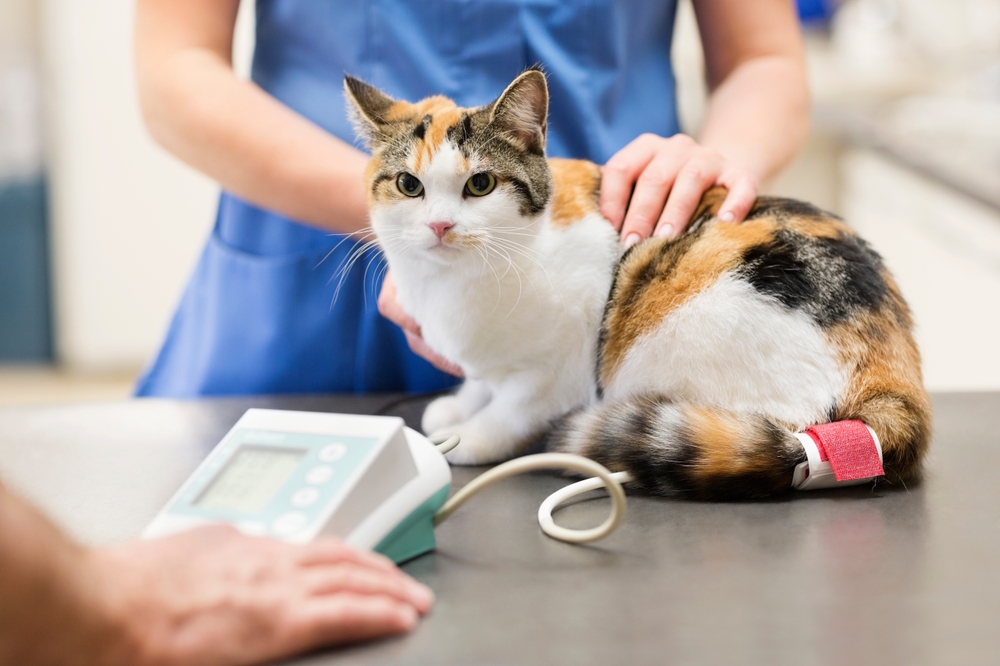
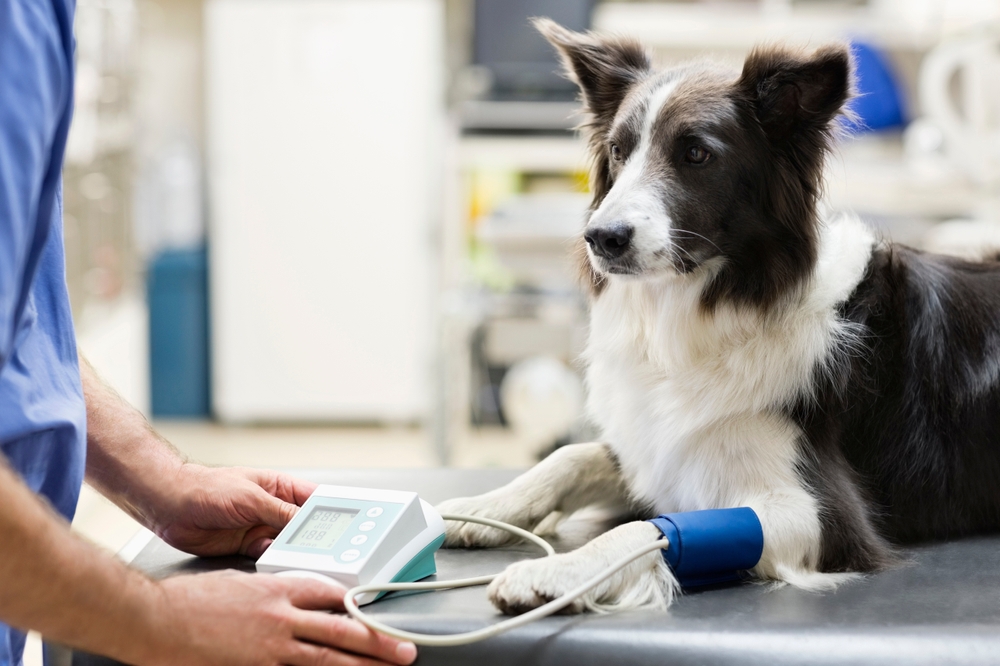
Measuring blood pressure is quick and noninvasive. We use a soft cuff on the leg or tail along with Doppler technology. Because stress can temporarily elevate readings, a calm, gentle approach helps improve accuracy. If blood pressure is high, we look for contributing conditions such as kidney disease, diabetes, or hyperthyroidism and build a treatment plan that addresses the full picture.
What Can a Urine Test Tell You About Your Pet’s Health?
A urinalysis is a key partner to blood work, and it can reveal kidney changes earlier than blood tests in some cases. It evaluates urine concentration, pH, protein, glucose, blood cells, crystals, and bacteria, offering important clues about kidney function, urinary infections, diabetes, and bladder health.
Because kidney decline is often gradual and quiet, pairing urinalysis with blood work provides a clearer view than either test alone. This combination can be especially important for cats. Our diagnostics help streamline urine testing and follow-up steps in a single, low-stress visit.
How Is Heart Disease Screened in Senior Pets?
Heart disease can be present even when a pet seems normal at home, which is why screening matters. Heart disease diagnosis often begins with a physical exam and a stethoscope evaluation, then expands to other noninvasive tests when indicated:
| Test | What It Shows |
| Chest X-rays | Heart size, lung health, fluid accumulation |
| Echocardiogram | Real-time heart structure and function |
| NT-proBNP testing | Blood biomarker that detects cardiac stress before symptoms develop |
| ECG/EKG | Heart rhythm and electrical activity |
Early warning signs at home can be subtle, such as reduced stamina, a mild cough after excitement, or faster breathing at rest. Screening allows us to identify disease earlier and start management before symptoms become more serious.
When Are X-Rays and Ultrasound Recommended?
Imaging is helpful when screening tests raise concerns or when a pet has changes that are hard to explain, such as coughing, limping, weight loss, appetite shifts, or behavior changes.
Radiography (X-rays) helps assess heart and lung health, organ size, arthritis, bone density, and masses. It is often a first step when we need more information.
Ultrasound provides real-time views of soft tissue organs such as the liver, kidneys, spleen, and bladder, and it can guide sample collection when needed. Used alongside lab testing, imaging supports more confident decision-making.
Which Conditions Should Senior Pet Owners Watch For?
Kidney Disease
Chronic kidney disease is very common in senior pets, especially cats, and symptoms often do not appear until significant kidney function is lost. Screening helps us identify changes earlier, allowing us to support hydration, nutrition, and comfort while slowing progression when possible.
Heart Disease
Senior pets can develop several types of heart disease depending on size and breed. Small dogs are often affected by mitral valve disease, while large and giant breeds are more prone to dilated cardiomyopathy. Cats most commonly develop hypertrophic cardiomyopathy, where thickened heart walls reduce efficiency.
Early detection supports earlier heart disease treatment and may delay symptoms such as coughing, exercise intolerance, or breathing difficulty.
Cancer
Routine screening supports earlier identification of cancer. Watch for new lumps, unexplained weight loss, changes in appetite, or persistent lethargy. Lymphoma is common in dogs and cats. Larger breed dogs are also at higher risk for cancers such as hemangiosarcoma and osteosarcoma. Early detection may expand treatment and pain management options.
Liver Disease
Blood work often identifies liver changes before outward illness appears. Abnormal values may lead to imaging for further assessment. Treatment commonly includes medication, diet adjustment, and monitoring.
Thyroid Disease in Dogs
Hypothyroidism occurs when the thyroid does not produce enough hormone. Signs may include weight gain, low energy, thinning hair, and recurring skin or ear infections. Because these changes can look like normal aging, testing is important. Diagnosis is simple, and daily medication often improves energy and quality of life.
Thyroid Disease in Cats
Older cats commonly develop feline hyperthyroidism, where the thyroid produces too much hormone. You may notice weight loss despite a strong appetite, restlessness, vomiting, and strain on the heart and kidneys. Treatment options include medication, prescription diet, or radioactive iodine therapy, followed by regular monitoring.
Arthritis and Joint Pain
Arthritis affects dogs and cats, and it is frequently missed in cats because they often reduce activity rather than limp. Exams, gait assessment, and imaging help confirm diagnosis. Supportive options include joint supplements, laser therapy, and monthly injectables such as Librela for dogs and Solensia for cats. We often combine these with weight management, home adjustments, and appropriate activity.
Dental Disease
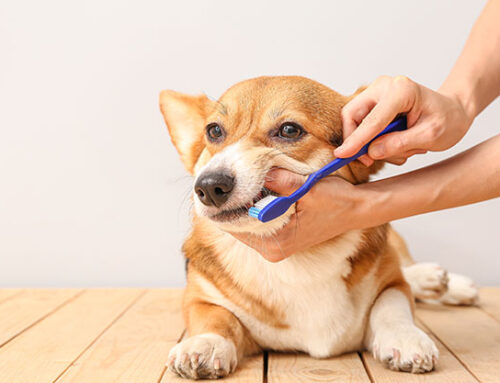
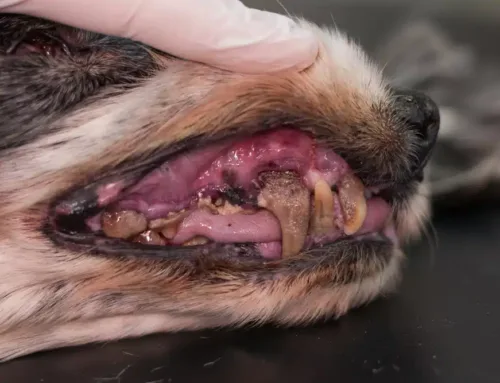
Dental care plays a major role in senior health. Dental disease is common in older pets and may impact the heart, liver, and kidneys. Signs include bad breath, drooling, difficulty eating, or pawing at the mouth. Professional cleanings under anesthesia allow thorough treatment, and pre-anesthetic blood work helps confirm safety. At-home brushing and dental chews can support gum health between visits. Our comprehensive dental care services allow us to help your senior pet maintain a healthy mouth throughout their golden years.
Frequently Asked Questions About Senior Pet Screening
How often should my senior pet be screened? Most seniors benefit from exams and targeted testing every six months. Pets with chronic conditions may need more frequent monitoring.
What early signs should prompt a visit? Changes in weight, thirst, appetite, breathing, mobility, behavior, energy, or the appearance of new lumps are all reasons to schedule an evaluation.
Is anesthesia safe for senior pets? Pre-anesthetic screening and tailored protocols support safe anesthesia for many seniors, with appropriate monitoring.
What does it mean if all results come back normal? Normal results are good news and create a baseline. Those baselines become increasingly valuable as we trend future results.
How much does senior screening cost? Cost depends on which tests are recommended. We prioritize transparency and work with you to choose the most meaningful options.
Helping Your Senior Pet Thrive With Proactive Care
Senior screening is one of the most practical ways to protect your pet’s comfort and quality of life. When disease is caught early, treatment is often simpler, outcomes are better, and families have more time to make thoughtful decisions.
At The Gentle Vet, we care for pets with patience, clear communication, and a gentle approach, including support through end-of-life care. Our team believes your pet’s plan should fit your household and goals, with shared decision-making at every step.
If your pet is entering their senior years, now is an excellent time to create a screening plan. Request an appointment for senior wellness care, or contact us with questions about thyroid testing, blood pressure checks, urinalysis, or imaging. We are here to help your pet stay comfortable, active, and happy for as long as possible.


Leave A Comment