


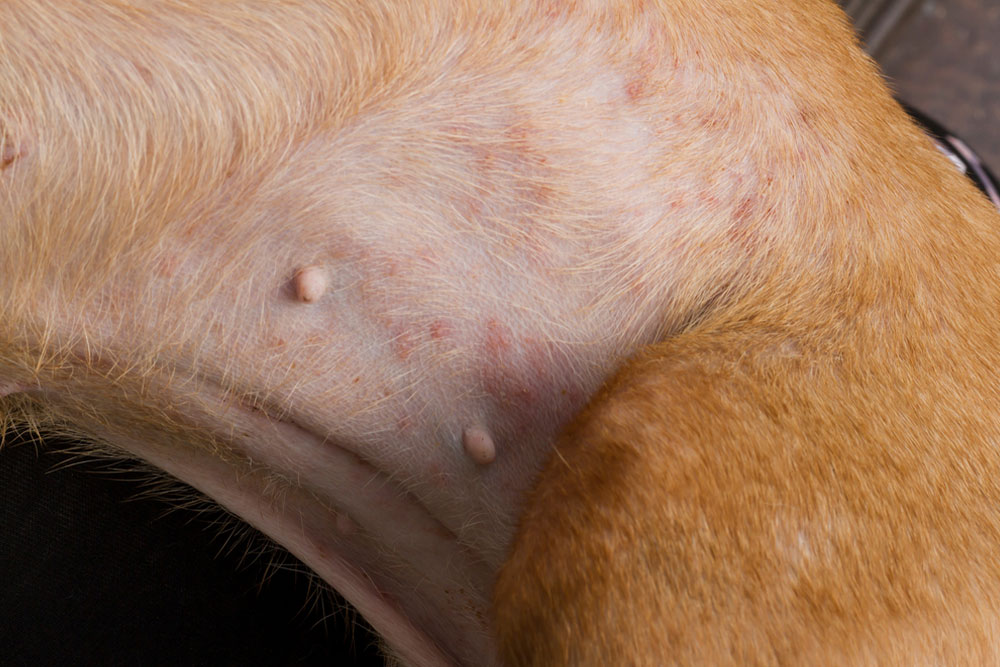
The visit for an allergic reaction is shaped by one question a veterinarian answers in the first minute: is this reaction staying in the skin, or is it moving through the whole body? A dog or cat with hives or a swollen muzzle is examined, given reaction-calming medication, and monitored until the swelling backs down. A pet in true anaphylaxis goes straight to stabilization before any paperwork happens. And the chronic, flare-and-fade itch that never quite becomes an emergency turns the visit into detective work, a hunt for the trigger driving the pattern.
The Gentle Vet approaches an allergic pet with the calm, unhurried handling we built our name on, which matters when a dog or cat is already miserable in their own skin. Our sick visits for dogs and cats in West Caldwell cover both ends of the workup, from a fresh outbreak of hives to skin cytology and in-house lab work when an itch keeps circling back. A reaction that leaves you second-guessing what you are seeing is reason enough to reach out, and we will help you sort out how quickly your pet should be seen.
Hives, Anaphylaxis, and the Itch in Between
- Allergic reactions in dogs and cats sort into three tiers: a chronic itchy skin problem that needs care but not panic, hives and swelling that call for same-day attention, and anaphylaxis that’s a life-threatening emergency.
- Anaphylaxis looks different by species, showing up as sudden vomiting, diarrhea, and collapse in dogs and as open-mouth breathing and respiratory distress in cats.
- Most long-running allergies trace back to environmental triggers, food proteins, or fleas, and the real fix is treating the underlying cause rather than chasing one flare at a time.
- Checking your pet’s gum color and breathing on the way in gives us a fast read on how serious the reaction is before you even reach the door.
What Actually Happens During the Visit?
A pet arriving mid-reaction is assessed before anything else, because the first job is deciding whether this is a skin problem or a whole-body one. A dog who is vomiting, unsteady, or breathing hard doesn’t sit in the waiting room. Everything else waits while the pet is stabilized.
The exam itself is quick and specific: gum color and how fast the color returns when we press, breathing rate and effort, heart rate, temperature, and then the skin from nose to tail to map where the reaction has landed.
From there the paths split:
- For hives or facial swelling, an injectable antihistamine, often with a steroid, calms the response faster than anything given by mouth. Then we watch. Most pets stay with us for a couple of hours so we can confirm the swelling is going down rather than quietly building.
- For anaphylaxis, treatment starts within seconds: epinephrine, an IV catheter for fluids and medication, oxygen if breathing is compromised, and continuous monitoring. These pets usually stay for the day or may need to go to an overnight ER to be watched.
- For a chronic itch with no emergency in sight, the visit slows down on purpose. We take a full history, look at skin and ear samples under the microscope during the appointment, and build a plan rather than handing over one prescription.
You’ll go home knowing what each medication is for, which signs mean call us back tonight, and what the next step looks like. After a sudden reaction, we’ll also tell you what to watch for over the following twelve hours, since a small number of pets relapse after they’ve already looked fine.
What Sets Off an Allergic Reaction in Dogs and Cats?
Three broad categories drive most allergic reactions in pets: what they breathe and touch, what they eat, and what bites them. Sorting out which one is at work is what turns an endless cycle of flares into a plan that actually holds. The problem is that many pets have allergies to more than one trigger, and the symptoms between them can look nearly identical.
- Environmental allergens: Pollen, grass, mold, and dust mites drive atopic dermatitis, a chronic, itchy skin disease that flares with the seasons and rarely settles on its own. In New Jersey that usually means tree pollen in spring, grass through summer, and ragweed from late August into the first hard frost.
- Food proteins: Food allergies trace back to one specific protein the immune system has decided to fight, and because the diet stays the same all year, so do the symptoms. Recurrent ear trouble, licked-raw paws, and loose stool that never fully resolves are the giveaways.
- Insects and parasites: A single flea bite can set off weeks of misery in a sensitized pet, and a bee or wasp sting can raise swelling within minutes. Flea bites are the single most common skin allergy in cats.
Can Vaccines and Medications Cause Reactions Too?
Vaccines and new medications can occasionally trigger an allergic response, though serious ones are uncommon. Most pets breeze through their shots with nothing more than a day of mild soreness or low energy. Facial swelling, a breakout of welts, repeated vomiting, or collapse are vaccination reactions that call for an immediate visit rather than a wait-and-see.
Antibiotics, flea preventives, and other new drugs can provoke the same response in a small number of pets, usually within hours of the first dose. That’s why telling us about any past reaction matters before we reach for a syringe or write a prescription. We review vaccine history and reaction patterns at every wellness and preventive care visit, so a note about the hives your dog got two summers ago changes what we do next time.
How Fast Do I Need to Act When My Pet Reacts?
How fast you move depends on which of three tiers you’re looking at. A chronic itch can wait for a scheduled appointment. Hives or a swollen face need same-day attention, because a reaction that’s still building is easier to stop early. Vomiting, collapse, or any change in breathing means going now, to us during our hours or to an emergency hospital after.
| Urgency tier | Typical signs | How quickly to come in |
| Chronic skin condition | Persistent itching, licking, recurring ear or skin infections, hair loss | A scheduled visit in the next week or two |
| Prompt, same-day | Hives, facial or muzzle swelling, a single sting with local swelling | The same day, before it has a chance to build |
| Emergency | Vomiting, diarrhea, collapse, weakness, open-mouth breathing, pale gums | Immediately, to us during business hours or the nearest emergency hospital after hours |
For anything in the top two tiers, a same-day sick visit lets us calm the reaction before it climbs. While you’re getting to us, note when the reaction started and what your pet may have gotten into, and skip the urge to induce vomiting or hand over a human antihistamine without talking to us first, since both the drug and the dose matter. If you can safely bring the suspected trigger, that speeds up the detective work. You can also check gum color right in the car: healthy gums are bubblegum pink, while pale or bluish gums point to poor circulation or oxygen delivery and turn a worrying situation into an immediate emergency.
What Do Chronic Allergic Skin Problems Look Like?
Chronic allergic skin disease shows up as a pattern rather than a single event: the same paw licked raw, ears that flare every few months, patches of thinning fur that keep returning. The itch drives licking and chewing that breaks the skin, and bacteria or yeast move into the damaged area to set up a secondary infection. It surfaces differently by species and by trigger:
- In dogs: Swollen, inflamed paws and hot spots can surface overnight from constant licking, chewing, and scratching. Chronic ear canal inflammation, called otitis externa, is one of the most common ways canine allergies announce themselves.
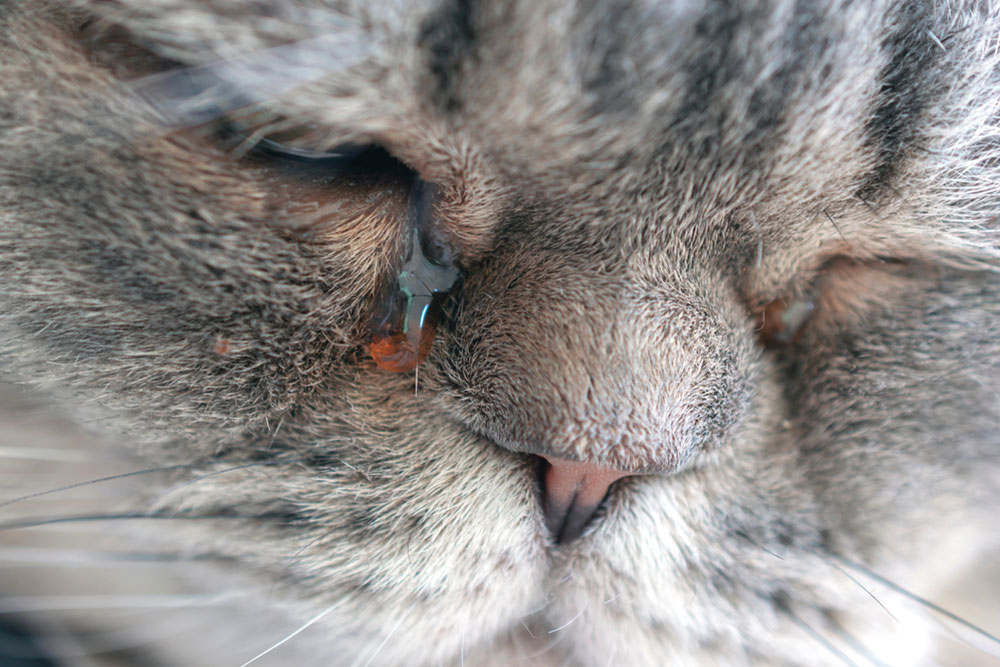
- In cats: Cats are quieter about it. Overgrooming pulls the coat into symmetrical bald patches along the belly or flanks, usually noticed long before the licking is. Miliary dermatitis scatters tiny, crusty bumps you feel more than see, and firm, raised sores on the lips, belly, or thighs often turn out to be eosinophilic granuloma complex.
Which Allergic Reactions Need Same-Day Care, and Which Are Emergencies?
The dividing line is whether the reaction stays in one place or spreads through the whole body. A local reaction, welts or a puffy face, is urgent but usually buys you a little time to get in. A systemic one, where the gut, circulation, or airway gets pulled in, is a true emergency.
| Hives / local reaction | Anaphylaxis | |
| Onset | Minutes to hours after exposure | Minutes, often faster |
| Main signs | Raised welts, facial or muzzle swelling, itching | Vomiting and collapse in dogs, breathing distress in cats |
| Body systems | Mostly the skin | Whole body: gut, circulation, airway |
| What it needs | Same-day care | Immediate emergency care |
Hives, Breathing Trouble, and Insect Stings
These reactions fall in the “watch closely and be prepared to move fast” category. Raised welts that puff up within minutes to hours of exposure are hives, and while they often settle with treatment, they can also be the opening act of a reaction that’s still building. Breathing changes deserve the same respect, since allergic airway conditions like feline asthma and allergic bronchitis tighten a pet’s airways quickly. Insect stings usually stay minor, but a sting on the face, mouth, or throat, several at once, or swelling that arrives alongside vomiting or weakness pushes it from manageable to urgent.
When It Becomes Anaphylaxis
Anaphylaxis is a whole-body response that can shut down circulation and breathing within minutes, and it looks different by species. Anaphylaxis in dogs can fool you, because sudden vomiting, diarrhea, weakness, and collapse look like a bad stomach bug when they’re actually life-threatening. Cats point the other direction, with the lungs as the main target, so severe respiratory distress and open-mouth breathing, which is never normal in a cat, mean the clock is running. Come straight in during our regular hours, and head to the nearest veterinary emergency hospital if we’ve closed.
How Are Allergic Reactions Treated?
Treatment tracks the severity. An anaphylactic pet gets rapid, hands-on stabilization, hives usually respond to reaction-calming medication and a few hours of monitoring before your pet heads home, while a chronic itch calls for a slower, layered plan built around finding the trigger.
Calming an Acute or Emergency Reaction
For a severe reaction, speed is the treatment. Stabilization follows a familiar sequence: epinephrine to reverse the response, an IV line for fluids and medications, oxygen support if breathing is compromised, and antihistamines plus corticosteroids to quiet the immune system. Some pets rebound and then relapse hours later in a biphasic reaction, which is why a pet who’s had a severe reaction stays under observation well past the point they look normal.
Managing Chronic Skin and Ear Disease
The first step is usually in-house cytology and lab work to see whether bacteria or yeast have set up a secondary infection, since clearing that up is what makes a pet comfortable in the short term. It also tells us which medication will work, because yeast and bacteria need different drugs and treating the wrong one wastes weeks. Anti-itching medications help your pet feel more comfortable and stop the cycle of damaging their own skin to relieve the discomfort. The longer game is treating the allergy underneath, which almost always means combining tools instead of leaning on one medication.
How Do We Prevent Flare-Ups and Manage Chronic Allergies?
Good allergy control is built, not bought in a single bottle. It layers year-round parasite prevention, the right medication for the itch, testing to name the triggers, and simple home care. Most pets who are genuinely comfortable are running three or four of those at once, which is why a plan that leans on one product tends to stop working after a season.
Year-Round Parasite Prevention
Fleas make every other allergy worse: even a pet whose main trigger is pollen will flare miserably once fleas enter the picture, which is why year-round parasite prevention matters through a West Caldwell winter and even for indoor-only cats. We can match your dog or cat with the right flea and tick prevention for their lifestyle and keep it going all year.
Prescription Medications for the Itch
The itch itself is very treatable. Different options fit different situations:
- JAK inhibitors: Daily tablets such as Apoquel, Zenrelia, and Numelvi work fast, often quieting the itch within a day, and suit both sudden flares and long-term control.
- Cytopoint: Cytopoint is a monoclonal antibody injection given every 4-8 weeks that targets the itch signal directly.
- Cyclosporine: Sold as Atopica, this one targets more severe or stubborn cases, dialing down the response over several weeks.
- Corticosteroids: Steroids bring powerful, quick relief for short-term flares, though they aren’t meant for indefinite daily use.
- Antihistamines: Hit-or-miss, helping some pets and doing little for others, which is why we trial them rather than assume.
- Epi-pens: For the small number of pets with a confirmed history of severe reactions, epinephrine auto-injectors are sometimes prescribed for home, though that’s an individualized call rather than a routine one.
Environmental Allergy Testing and Immunotherapy
When environmental allergies are running the show, testing names the specific triggers so treatment stops guessing, done either as an intradermal skin test or a serum blood test that maps which pollens, molds, or mites a pet reacts to. From there, immunotherapy retrains the immune system with customized drops or injections over 12 to 18 months, and it’s the one approach that treats the root cause rather than the symptoms. It’s a longer road, and our veterinarians will help you weigh whether a pet is a good candidate. One caution: the hair and saliva allergy kits marketed straight to pet families are unreliable and worth skipping.
Grooming, Baths, and Fatty Acids
A surprising amount of allergy control happens at home with a towel and a bottle of shampoo. Regular brushing and bathing physically strip pollen off the coat before it has time to work. If we prescribe a medicated shampoo, the trick is contact time: it needs to sit on the skin for at least ten minutes rather than getting rinsed straight off. Medicated sprays, wipes, and mousses can be used between baths for spot treatments on problem areas. A quick wipe-down after outdoor time, focused on the feet and belly, clears what a pet drags back inside. Omega fatty acid supplements support the skin barrier and ease inflammation from within, though they work slowly and are a long-term investment.
How Are Food Allergies Managed?
Food allergies are treated by finding the trigger, and then avoiding it. The only reliable way to confirm one is an elimination diet trial, a strict 8-to-12-week run on a single novel or hydrolyzed protein followed by a deliberate reintroduction to see what brings the symptoms back. Blood tests are not reliable for food allergies.
The word that makes or breaks a trial is strict. During those weeks, the prescription diet has to be the only thing that crosses your pet’s lips, no flavored chews, no table scraps, no swiped crumbs from the toddler’s high chair, or the whole test gets muddied. This is also why over-the-counter limited-ingredient foods don’t work for a diagnostic trial: manufacturing lines carry enough cross-contamination to invalidate the result. We supervise the trial start to finish, including the reintroduction challenge that actually proves the diagnosis.
Common Questions About Pet Allergies
Can pet allergies be cured, or only managed?
Most allergies are managed rather than cured, and that’s not bad news. With the right plan, a pet who used to be miserable for months can live comfortably with only occasional flares. Immunotherapy comes closest to a cure for environmental causes, while food allergies are controlled by strictly avoiding the offending ingredient for life.
Will my pet grow out of their allergies?
It’s uncommon for a pet to outgrow true allergies. Environmental allergies in particular tend to appear in the first few years of life and often get slightly worse with each season rather than fading. The encouraging part is that starting management early, before the skin has cycled through repeated infections, tends to keep things milder long term.
Can I give my dog or cat a human allergy medicine?
Some human antihistamines are used in dogs and cats, but the dose is very different and not every product is safe, so please check with us before reaching into the medicine cabinet. Many combination cold and allergy products contain decongestants and other ingredients that are dangerous for pets, and pain relievers meant for people can be toxic.
My pet had one bad reaction. Are they more likely to have another?
Often, yes, and sometimes a worse one, since the immune system tends to respond more strongly to a trigger it has already met. That’s why we make a point of recording exactly what your pet reacted to and what it looked like. If the trigger was a medication or a vaccine, that note changes what we use and how we premedicate next time, and for a pet with a confirmed history of severe reactions, we’ll talk through what to keep at home.
Getting Ahead of Your Pet’s Allergies
When an allergy is well managed, the endless loop of scratching, infections, and repeat visits quiets down, and your dog or cat gets to just be a dog or cat again. If your pet is stuck in that cycle, or a sudden reaction has you worried, reach out to schedule a visit at The Gentle Vet in West Caldwell and we’ll build a plan around what’s driving it. A calm, thorough allergy workup is often the turning point.