

Dog Daycare Done Right: A Vet’s Guide to Safety, Vaccines, and Choosing Well
The idea of daycare is appealing: your dog gets to play, burn energy, and socialize instead of spending the day alone. But a good daycare experience doesn’t happen by accident. It starts with making sure your dog is healthy, vaccinated, and temperamentally suited for group play, and it depends on choosing a facility that prioritizes safety over convenience. The stakes are real: contagious diseases spread quickly in group settings, and even well-supervised play can result in scrapes, bites, or behavioral setbacks if the environment isn’t well managed.
At The Gentle Vet, we believe in setting dogs up for success before they walk through the daycare door. Our wellness and preventive care visits include vaccine updates, temperament discussion, and practical guidance on what to look for (and what to avoid) in a daycare facility. Contact us to schedule a pre-daycare checkup for your dog.
What a Good Daycare Actually Looks Like
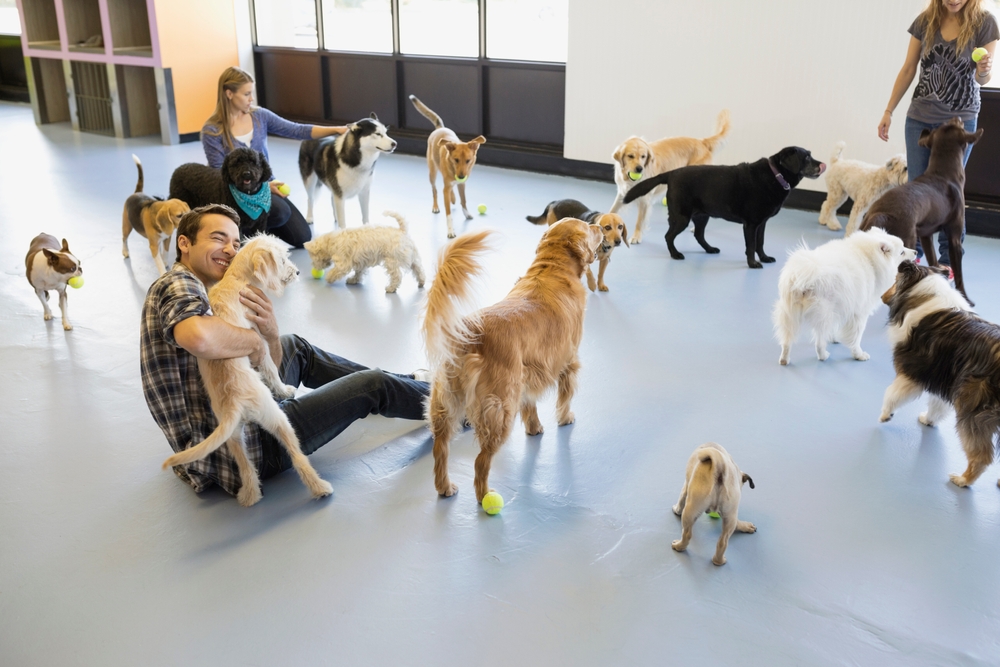
Socializing your dog in a well-managed group environment builds confidence and teaches calm interaction. Not all daycares deliver that. Quality facilities screen every dog before admission, verify vaccination records, group by size and play style, maintain genuine supervision ratios, and respond to stress signals with intervention rather than removal.
Before booking, visit the facility in person during active play hours. Watch how staff engage with the dogs. Ask how they respond when a conflict occurs, what the staff-to-dog ratio is, and how cleaning is managed. Specific, confident answers indicate a well-run operation.
A pre-daycare wellness visit with our team confirms that your dog’s vaccines are current, parasite prevention is in place, and there are no health conditions that should affect the daycare decision.
Is Daycare the Right Choice for Your Dog?
Dog tolerance for group environments is individual, not breed-based. Some dogs genuinely enjoy sustained group play. Others find it exhausting, overstimulating, or anxiety-producing. Neither preference reflects poorly on your dog.
Reading body language after pickup provides honest feedback. Your dog settling easily and sleeping deeply after a good day of play is a very different picture from your dog being stiff, alert, restless, or reactive for hours afterward. In the second scenario, your dog may be tolerating daycare rather than enjoying it.
Dogs who tend to do well:
- Genuinely seek out and recover easily from interactions with unfamiliar dogs
- Tolerate busy, moderately noisy environments
- Have had positive prior group experiences
Dogs who may need a different option:
- Find group interaction stressful or unpredictable
- Have a history of conflict in group settings
- Are elderly, managing pain, or post-surgical
When Boarding or a Dog Walker Is a Better Fit
For dogs who need quieter settings, daily medications, or individual attention, veterinary-supervised boarding provides care without the social demands of group play. The Gentle Vet offers boarding in a veterinary environment, with a few features that set it apart:
- Medical needs are managed by the same team that knows your dog’s health history
- Dogs are walked throughout the day in a spacious, fenced-in backyard
Dog walkers who visit throughout the day may also be a better solution for dogs that need to get out of the house, but aren’t good fits for high-stimulation play time. Ask us what we’d recommend for your dog based on their personality and health conditions.
Why Daycare Beats the Dog Park for Social Dogs
Public dog parks have no vaccination requirements, no temperament screening, and supervision depends entirely on whoever happens to be paying attention. Dog park risks include unvaccinated dogs, incompatible play styles, and the absence of trained staff to intervene.
A reputable daycare, in contrast, screens before admission, verifies vaccines, manages groups, and employs trained staff who read dog behavior and intervene early. For truly social dogs, a vetted daycare is substantially safer than unsupervised park time. For less social dogs, neither setting may be appropriate.
When Puppies Can Start
Most puppies should wait for general daycare until at least two weeks after their core vaccine series is complete, because of parvovirus risk in group settings with unknown vaccination histories. Consider dog parks totally off limits, too.
The socialization window closes around 12 to 16 weeks, which means timing matters. Puppy socialization during the vaccine gap should happen in controlled environments with known vaccinated dogs in clean environments rather than open group settings. Structured puppy classes with vaccination requirements are supported by evidence on early socialization as safe and beneficial during this window.
Vaccines and Parasite Prevention: What Daycare Requires
Most reputable facilities in New Jersey require:
- Rabies: required by law; current certificate required
- DHPP/DAPP: core combination; annual or triennial
- Bordetella: typically required every 6 to 12 months; should be given at least a few days before starting
- Leptospirosis: given annually after a two-dose series
- Canine influenza: increasingly required in the Northeast; given annually after a two-dose initial series for previously unvaccinated dogs
Parasite prevention is equally important. Dogs in shared outdoor spaces need consistent flea, tick, and heartworm protection. Our pharmacy carries comprehensive options for flea, tick and heartworm prevention to make sure your dog is covered. Year-round prevention is the standard for dogs attending daycare with outdoor access. We’ll go over the right vaccinations and parasite prevention options during your wellness visit.
Diseases That Spread in Group Settings
- Parvovirus: highly contagious, survives in the environment for months; DHPP vaccination is the only meaningful protection
- Kennel cough: spreads easily through shared air and surfaces; Bordetella vaccination reduces severity
- Canine influenza: increasingly prevalent in the Northeast; two-dose initial series for previously unvaccinated dogs
- Leptospirosis: spread through contaminated water; the L4 vaccine covers the most relevant serovars for NJ environments
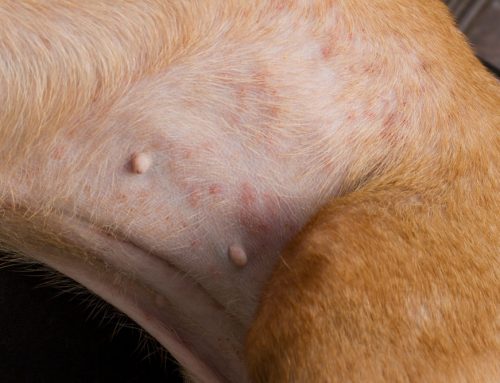
- Oral papilloma virus: wart-like mouth lesions; spreads through direct contact; typically self-limiting in young dogs
If your dog develops respiratory symptoms, lethargy, or digestive upset within two weeks of daycare, call us. Our diagnostics allow rapid evaluation and treatment guidance.
Checking Your Dog After Each Day
A brief physical check after pickup:
- Scrapes, cuts, or punctures around the face, neck, and legs
- Bite wounds, which often look small but carry significant infection risk
- Eye redness or discharge from possible conjunctivitis or injuries
- Any swelling, warmth, or discharge at a wound site within 24 hours
Any bite wound should be evaluated the same day regardless of apparent size. We offer same-day sick visits if your pet needs to be seen promptly.
Safe Group Play: What Good Supervision Looks Like
Safe group play in a daycare setting requires staff who actively watch for stress signals rather than simply being present. Good supervision means intervening before tension escalates, redirecting dogs whose play style is incompatible with others in the group, and ending sessions before dogs become overtired and lose their social tolerance.
Signs of well-managed group play:
- Staff are actively scanning the group, not on phones or doing other tasks
- High-arousal chasing is broken up and redirected before it escalates
- Rest periods are built into the schedule
- Individual dogs who are overwhelmed are given space rather than pushed back into the group
Poor supervision signs:
- Staff clustered in one corner while dogs play unsupervised
- Vague answers about conflict protocols
- No visible separation by size or energy level
For dog introductions to unfamiliar dogs, a well-run facility brings new dogs in through a controlled, one-on-one introduction rather than simply releasing them into the group. How a facility handles introductions tells you a great deal about how they understand dog behavior.
Questions to Ask on Your Facility Tour
- What vaccines and documentation are required, and how are they verified?
- How are dogs grouped, and what criteria determine compatibility?
- What is the staff-to-dog ratio during active play?
- How do staff recognize and respond to stress signals and conflicts?
- What happens in a medical emergency?
- What cleaning protocols are in place?
Frequently Asked Questions
Which vaccines does my dog need before starting daycare?
Rabies, DHPP, and Bordetella at minimum. Canine influenza is increasingly required. Chat with our team for a vaccine review before your dog’s first day.
Can I send my dog to daycare if they are a little reactive?
Talk to us first. Mild leash reactivity that does not carry over into off-leash interactions is often manageable. More significant reactivity in group settings warrants a different approach. We can help you assess your dog’s temperament honestly.
How do I know if my dog actually likes daycare?
Your dog should come home comfortably tired and settle easily after a day they enjoyed. If your dog is stiff, hypervigilant, or difficult to settle for hours, the experience may have been more stressful than enjoyable. Try a shorter trial day first and watch how they respond.
Prepared Dogs Have Better Days
Good daycare preparation starts with a wellness and preventive care visit. We will confirm your dog’s vaccine status, talk through any temperament or health considerations, give you our personal recommendations, and help you feel confident about the decision. Reach out to our team to schedule that visit before the first daycare day.