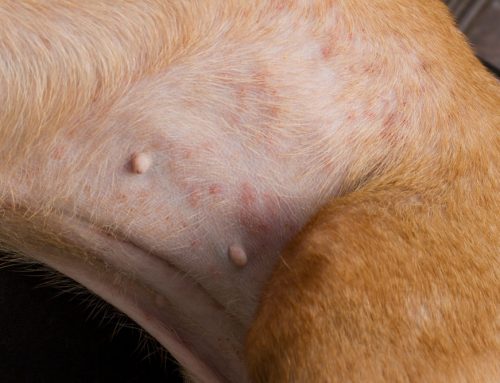



Your dog scoots across the rug, leaving behind a trail of rice-like tapeworm segments. Your cat hops off the bed and a plump, gray tick drops onto the sheet. Later, you brush your pup and your nails come away gritty with flea dirt. Parasites are not abstract threats or something only outdoor pets deal with. They crawl, bite, burrow, and show up in places you would rather not see them: wriggling in stool, peppered through fur, or latched to an eyelid you are afraid to touch.
The “ick” factor is real, but the health risks matter more. Fleas can trigger infected hot spots, ticks can spread fever and joint pain, and heartworm starts with a mosquito bite that seems harmless until a soft cough turns into heart failure. At The Gentle Vet in West Caldwell, we build a prevention plan around calm handling, clear education, and a schedule that fits your pet’s life. If you are ready to get started, request an appointment and we will work through the right plan for your pet.
Key Takeaways
- Year-round parasite prevention is the current standard of care because fleas, ticks, mosquitoes, and intestinal worm exposure happen in every season, not just summer.
- Many common pet parasites, including roundworms, hookworms, and giardia, are zoonotic and can infect children and immunocompromised household members, which makes consistent prevention a household safety measure.
- Heartworm is widespread across the United States including New Jersey, and treatment is lengthy and expensive for dogs and not available for cats, making monthly prevention the only reliable safeguard.
- Annual fecal testing plus monthly prevention covers most parasite risk for most pets, with skin scrapings, ear cytology, bloodwork, or imaging added when specific signs warrant deeper evaluation.
Why Is Year-Round Parasite Prevention So Important?
Parasites do not take holidays. The importance of year-round parasite prevention is well established because exposure happens in every season, even during the months that feel like “off-season” in the Northeast. Mosquitoes slip through doors, fleas ride inside on clothing, hardy eggs persist in soil for months to years, and ticks remain active any time temperatures rise above freezing.
Pausing prevention for winter or during travel creates gaps that parasites exploit. The cost of catching up later, both in medication and in cleanup, almost always exceeds the cost of continuous prevention. Our preventive care plans include species- and lifestyle-based recommendations and vaccine guidance, all covered during wellness and preventive care visits.
Why Are Fleas Such a Persistent Problem in Pets?
A single flea can trigger a chain reaction. Eggs fall from your pet into carpet and upholstery, larvae develop unnoticed, and pupae wait for the right conditions to hatch. That hidden life cycle explains why infestations linger even after you think the last adult flea is gone, and why the misconception that indoor-only pets do not need prevention is so often wrong: fleas travel inside on shoes, clothing, and other pets.
Beyond the irritation, fleas transmit tapeworms and bacteria and often cause flea allergy dermatitis, an intensely itchy hypersensitivity reaction that produces hot spots, hair loss, and secondary skin infections. Kittens, puppies, and very small pets can develop life-threatening anemia when the flea population explodes.
Many over-the-counter products use older ingredients that no longer perform well in the real world. Prescription preventives are substantially more effective at breaking the cycle. If fleas are already present, expect several months of consistent prevention, hot washing of bedding, frequent vacuuming, and sometimes professional pest control to eliminate every life stage. If your pet is uncomfortable right now, we offer prompt, low-stress relief through sick visits and can recommend safe, effective products for your home.
What Diseases Can Ticks Spread to My Pet?
Ticks wait in brush, lawns, and leaf litter, then attach quickly and begin feeding. Transmission of disease can occur in a short window of hours to a day depending on the pathogen, which is why rapid removal and year-round protection matter. The Northeast, including New Jersey, is one of the highest-tick-burden regions in the country, with deer ticks, dog ticks, and lone star ticks all active locally.
Dogs are especially vulnerable to Lyme disease, which can lead to shifting lameness, fever, swollen joints, and serious kidney complications. Other tick-borne diseases include ehrlichiosis, anaplasmosis, babesiosis, and Rocky Mountain spotted fever, each with their own clinical pictures but all preventable through consistent tick control.
The CDC’s guide to tick monitoring covers landscaping tips, proper removal, and protective strategies that work. Veterinarians also follow tick prevention protocols that include oral, topical, and collar options chosen to match a pet’s lifestyle and local exposure. Our team will help you choose a product that fits your pet’s activities and your preferences, then show you how to check the common hiding spots gently at home, which include the ears, between the toes, around the collar, under the legs, and along the tail base.
What Are the Most Common Intestinal Parasites in Pets?
Stomach upset is not the only concern with worms. Intestinal parasites such as roundworms, hookworms, whipworms, and tapeworms steal nutrients, inflame the gut, and in heavy burdens cause anemia or intestinal obstruction. Puppies and kittens often arrive exposed because roundworms can pass from mother to offspring before birth or through nursing, which is why the standard early-life deworming protocol exists.
Signs to watch for:
- Diarrhea or vomiting that does not resolve quickly
- A pot-bellied appearance in young animals
- Weight loss despite normal or increased appetite
- A dull coat that does not improve with grooming
- Visible worms in stool or vomit (sometimes still moving when fresh)
- Scooting or rear-end licking that can indicate tapeworm segments
- Lethargy in heavy infections
Because some of these parasites can infect people, avoid walking barefoot in areas where pets defecate and discourage face licking. Clearing giardia can be especially challenging because pets may reinfect themselves by grooming the rear end, and the organism survives in damp environments and water sources. Successful treatment often requires medication, bathing, careful sanitation, and repeat testing to confirm clearance.
To move from worries to answers quickly, The Gentle Vet runs on-site fecal testing and can start targeted deworming the same day.
What Is Heartworm Disease and How Does It Affect Pets?
Heartworm disease begins with a mosquito bite and ends with worms occupying the heart, lungs, and nearby blood vessels. Early infections often appear silent, which allows damage to accumulate for months before signs become obvious. By the time clinical signs develop, significant cardiac and pulmonary changes are usually already in place, which is why prevention is so much more practical than treatment.
The common heartworm signs include:
- Persistent cough that does not resolve
- Exercise intolerance or reluctance to play
- Weight loss as the disease progresses
- Difficulty breathing in advanced cases
- Eventual signs of heart failure including fluid accumulation
No state is truly free of risk. The heartworm prevalence map documents activity across the country, including consistent presence in New Jersey. Treatment for dogs is lengthy, expensive, physically demanding, and requires strict cage rest for weeks, while there is no safe curative treatment for cats. Consistent monthly prevention and annual testing are the best safeguards for pets eligible for preventive medications. We will review options at each preventive care visit and make sure refills are simple to manage.
What Are Mites and How Do They Cause Mange?
Mites are microscopic parasites that live on the skin or in hair follicles, ear canals, or pet bedding. They are far smaller than fleas or ticks but cause some of the most intense itching and skin disease we see in pets, often with secondary infections that complicate the picture. Mites in dogs and mites in cats differ slightly by species, but the categories overlap.
The mite types most relevant to pet owners:
- Demodex: lives in hair follicles and can cause patchy hair loss and scaling in puppies or immunocompromised pets; not contagious to other pets in most cases
- Sarcoptes: the cause of scabies, burrows into the skin and triggers relentless itching, crusting, and hair loss; highly contagious between pets and can spread to people with close contact
- Ear mites: especially common in cats, causing dark coffee-ground debris in the ears, head shaking, and secondary ear infections
- Cheyletiella: known as “walking dandruff,” produces visible flaky debris that moves on the skin surface
- Otodectes: another ear-dwelling mite, primarily seen in younger cats and dogs
Because mites hide in follicles and ear canals, over-the-counter shampoos and home remedies rarely clear them. Prescription therapy is usually required, often combined with environmental management to prevent reinfection. Our team pairs gentle handling with effective treatments and shows you how to clean bedding and treat close contacts so reinfection does not undo your progress.
Can My Pet Get Lung Flukes or Other Trematodes?
While not as common as fleas or worms, flukes can cause serious disease. Pets that eat raw fish, crayfish, or snails can acquire trematodes that take up residence in the liver, bile ducts, or lungs, depending on the species of fluke. Hunting dogs, free-roaming cats, and pets allowed to forage are at higher risk than indoor pets with controlled diets.
Regional reports of trematode infections show that cases do occur in several parts of the United States. When the lungs are involved, lung fluke infection may present as coughing, breathing difficulty, or recurrent pneumonia. Diagnosis can require advanced imaging and specialized lab tests, and treatment plans are tailored to the species of fluke and the pet’s overall health. Our experienced ultrasonographers and digital radiography help us pinpoint problems with minimal stress.
Which Parasites Can Spread From Pets to People?
Some parasites do not stop with pets. Zoonotic parasites such as roundworms, hookworms, giardia, and certain tick-borne diseases can infect people, particularly children and anyone who is immunocompromised. Roundworm eggs ingested from contaminated soil can migrate through human tissue including the eyes, and hookworm larvae can penetrate bare skin on contact with contaminated ground.
Practical household habits that reduce zoonotic risk:
- Wash hands thoroughly after handling pets, especially before eating
- Promptly clean up feces from yards and litter boxes (daily ideal, weekly minimum)
- Discourage face licking, particularly with children
- Wear shoes outdoors in areas where pets defecate
- Cover children’s sandboxes when not in use to prevent cats from using them as toilets
- Maintain consistent parasite prevention for all pets in the household
These measures help, but they work best alongside veterinary screening and prevention that reduce the number of parasites in your environment to begin with. During routine visits, our clinicians review household risks as part of comprehensive wellness and preventive care so families can address parasite risk before it becomes a household health issue.
How Do Veterinarians Diagnose Parasites in Pets?
Because many infestations hide in plain sight, screening catches problems before they become crises. Even pets on monthly prevention can carry parasites that need targeted treatment, particularly intestinal organisms that shed eggs intermittently. The right diagnostic test depends on what we are looking for, but the basic workup is straightforward and produces same-day answers in most cases.
Common diagnostic approaches:
- Fecal testing for intestinal parasites including flotation, antigen testing, and PCR panels when indicated
- Bloodwork for heartworm and tick-borne disease screening
- Skin scrapings, hair plucks, or tape impressions for mites
- Ear cytology to identify ear mites and any secondary bacterial or yeast infections
- Imaging such as digital X-rays and ultrasound for organ-based parasites or lung fluke evaluation
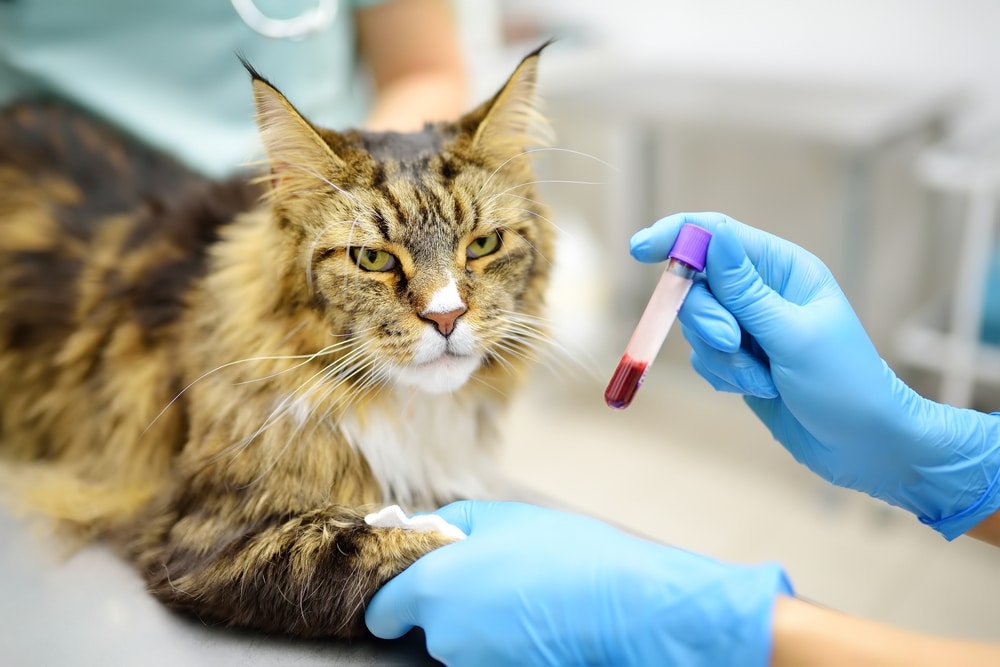
At The Gentle Vet, advanced in-house equipment supports quick, accurate answers, including CBC, chemistry, urinalysis, cytology, digital X-rays, and ultrasound. When treatment is needed, our team explains each step in plain language and follows up to be sure your pet is improving.
Frequently Asked Questions About Parasites in Pets
Does my indoor cat really need parasite prevention?
Yes. Fleas hitch rides on shoes, clothing, and other pets. Mosquitoes carrying heartworm slip through doors and screens. Indoor cats are at lower risk than outdoor cats, but they are not at zero risk, and feline heartworm has no safe treatment.
How often should my pet have a fecal exam?
Annually for low-risk adult pets, twice yearly for higher-risk pets including those who visit dog parks, board, or hunt. Puppies and kittens need repeat fecal testing during their early-life deworming series.
My pet just had heartworm prevention and now seems off. Is something wrong?
Most heartworm preventives are well-tolerated. Mild GI upset in the first 24 hours is occasionally seen but usually resolves. Significant or persistent signs warrant a call to us, particularly in pets receiving a preventive for the first time.
Can I use one of the natural or essential oil tick repellents instead of prescription prevention?
We do not recommend it. Essential oil products have inconsistent efficacy data, and some (including tea tree oil) are toxic to cats. Prescription preventives have rigorous safety and efficacy testing behind them.
What is the best parasite prevention for my pet?
That depends on your pet’s species, age, weight, lifestyle, and any health conditions. We will walk through the options at your next visit and match a product to your specific pet rather than recommending a one-size-fits-all approach.
Building Year-Round Parasite Protection for Your Pet
Parasites are common, but they are not inevitable. A thoughtful plan usually includes monthly or long-acting preventives, regular fecal testing, daily tick checks after outdoor time, yard and litter box hygiene, and handwashing habits that protect the whole family. The combination consistently produces better outcomes than any single intervention alone.
If your pet is uncomfortable or you suspect a parasite problem today, contact our team and we will tailor prevention that fits your pet and your household.